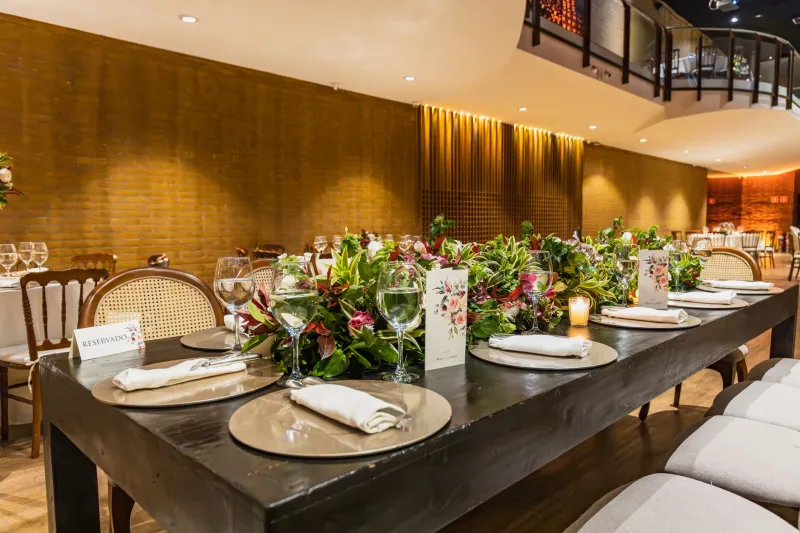
Atmosphere as a Discipline: The Environmental Craft Behind a Truly Premium Companion Evening
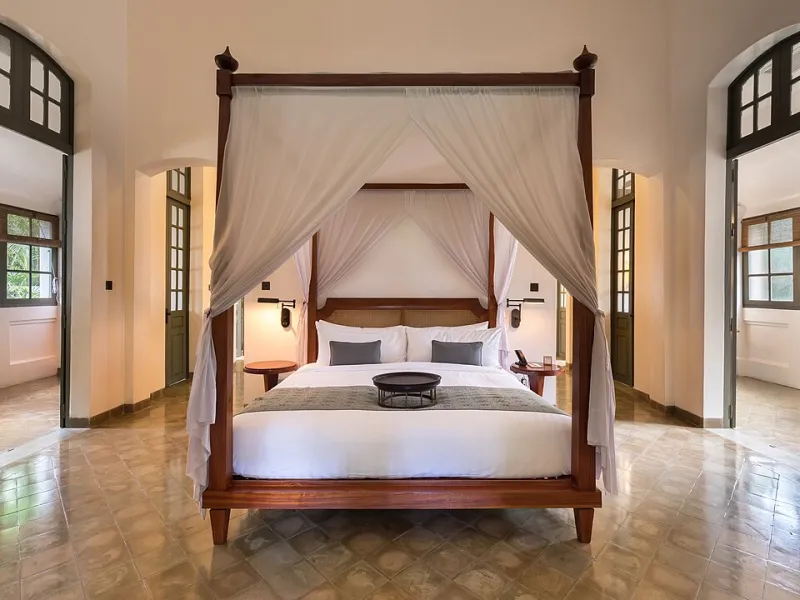
Photo: Basile Morin, CC BY-SA 4.0, via Wikimedia Commons
A premium companion evening is often described in terms of conversation, presentation, and chemistry. Those elements matter, but they do not operate in a vacuum. Before a single word is exchanged, the room has already spoken. Lighting tells the guest whether to relax or remain guarded. Sound sets the tempo of conversation. Scent either welcomes or competes. Temperature and seating decide whether the body feels at ease. The sensory architecture of an evening is not decoration; it is part of the service.
For clients using ŞehirVIP Escort to arrange VIP companionship in American cities, this is a practical insight. Elite companions are skilled at reading and adapting to a room, but they should not be expected to compensate for an environment that works against them. A brief, thoughtful collaboration on atmosphere produces a more polished engagement than elaborate staging.
Light: The First Impression Before Conversation
Harsh overhead lighting is the enemy of intimacy. It flattens faces, exaggerates shadows, and makes a hotel suite feel like a conference room. Discerning clients in New York apartments, Los Angeles private residences, and Miami hotel suites tend to rely on layered light: warm table lamps, dimmable wall sconces, and perhaps a single candle or low arrangement. A color temperature near 2700K is generally more flattering than cool white bulbs.
The goal is not darkness. It is softness with enough visibility to read expressions. A companion should be able to see the client's face and feel seen in return. If the venue is a private dining room, ask whether the overheads can be dimmed before the guest arrives. Small adjustments made in advance feel effortless; adjustments made mid-evening can feel like repairs.
Sound: Tempo, Volume, and the Shape of Conversation
Music is often overused. A carefully chosen playlist can ease the first minutes of an engagement, but it should never become the main event. Low-volume jazz, ambient, or instrumental lounge works well in many upscale settings because it fills silence without demanding attention. Television screens should be off unless a specific shared event requires them.
The tempo matters. Fast, percussive music can make a quiet dinner feel rushed. Slow, melancholic music can make a celebratory evening feel heavy. A simple playlist of sixty to ninety minutes, set at a volume that allows normal conversation, is usually sufficient. The companion may have preferences worth asking about beforehand. A brief question about music is not overplanning; it is hospitality.
Scent: Restraint as Luxury
Fragrance is the most easily abused sensory element. A strong home scent can clash with a companion's personal fragrance, overwhelm a small room, or trigger allergies. In premium settings, restraint is the rule. Neutral candles, subtle diffusers, and clean air are safer than aggressive signature scents. If the venue is a hotel, open a window briefly if possible or confirm that the room has not been heavily scented before arrival.
Clients should also consider their own fragrance. A companion may appreciate a well-chosen scent, but the evening should not become a competition of projections. The most refined approach is a light application that stays within conversational distance. Scent should be discovered, not announced.
Temperature and Seating: The Body's Quiet Vote
A room that is too warm makes conversation sluggish. A room that is too cold makes guests physically uncomfortable and distracted. A reasonable target is 68 to 72 degrees Fahrenheit, adjusted for the season and the venue. In private dining spaces, confirm that the HVAC is not blowing directly on the table. In apartments, check the seating before the guest arrives.
Seating arrangement matters as much as temperature. Two chairs angled toward each other encourage conversation; a sofa facing a television discourages it. A dining table should allow enough space for service without creating a gulf. Clutter should be cleared not because perfection is required, but because visual noise competes with presence. A companion who enters a calm, well-proportioned room can settle into the evening more quickly.
Collaboration Without Choreography
The best atmosphere is not a performance. It is a set of conditions that allow two people to be present. Clients should share basic venue details with the companion in advance, including whether the setting is a private home, a hotel suite, or a restaurant. They may ask whether the companion has preferences regarding lighting, music, or seating. They should not attempt to script every moment.
Elite companions are trained to adapt. They can lower a light, adjust a playlist, or suggest moving to a different chair. But the client's preparation determines how much adaptation is needed. A room that has been considered in advance gives the companion freedom to focus on the person rather than the environment.
The Quiet Standard
In premium companionship, atmosphere is a form of respect. It says that the evening was prepared for, not merely booked. ŞehirVIP Escort presents VIP companions across cities, but the setting in which an engagement unfolds remains a shared responsibility. Light, sound, scent, temperature, and seating are not minor details. They are the invisible architecture of a premium evening.